

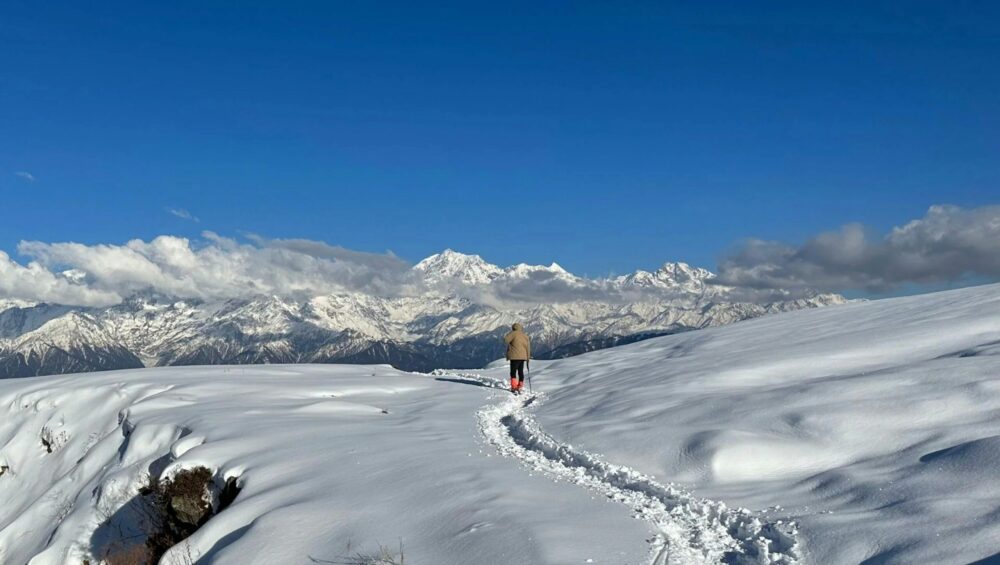
A few years ago, winter trekking in India sounded intimidating. Snow meant risk, cold meant discomfort, and trekking felt like something only seasoned mountaineers should attempt. That perception has changed completely. Today, many first-time trekkers are choosing winter as their entry point into the mountains — and for good reason. Trails are clearer, landscapes feel untouched, and the experience is more immersive because you’re not competing with crowds.
What makes winter treks ideal for beginners is structure. Well-marked routes, experienced local guides, fixed camps, and growing awareness around safety have made these treks accessible. You don’t need technical climbing skills or extreme fitness. What you need is a willingness to walk slowly, listen to your body, and enjoy the silence that only winter mountains offer.
1) Kedarkantha – The Classic First Winter Trek
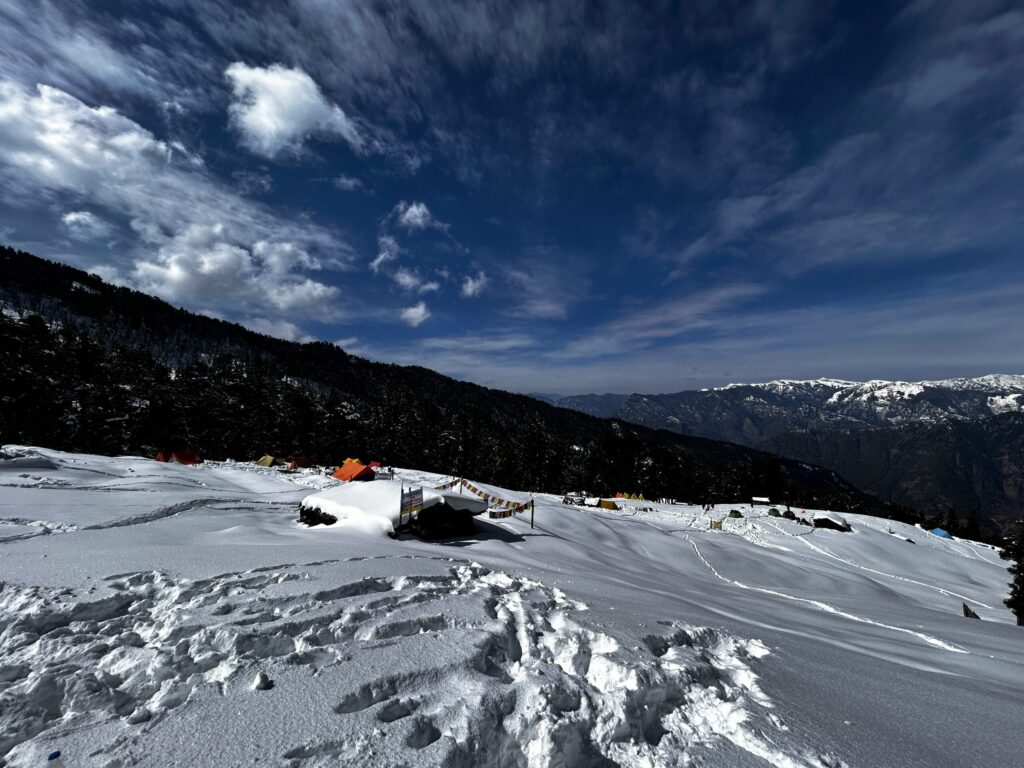
Kedarkantha is often called the best beginner winter trek in India, and that reputation is well-earned. The trail takes you through dense pine forests, open clearings, and eventually to a summit that offers wide Himalayan views. In winter, snow covers the route gently, not aggressively, making it challenging enough to feel rewarding but not overwhelming.
What beginners love most about Kedarkantha is the sense of progression. Each day feels achievable, campsites are comfortable, and the final summit push builds confidence rather than fear. Nights are cold but manageable, especially with proper gear and guidance. This trek is perfect if you want your first winter trekking memory to feel empowering.
Best for: first-time trekkers, small groups, solo beginners
Duration: 4–5 days
Experience type: snow walking, forest trails, summit views
Future interlink blogs: Best Snow Villages in India | Spiritual Winter Journeys
2) Dayara Bugyal – Wide Meadows Under Winter Snow
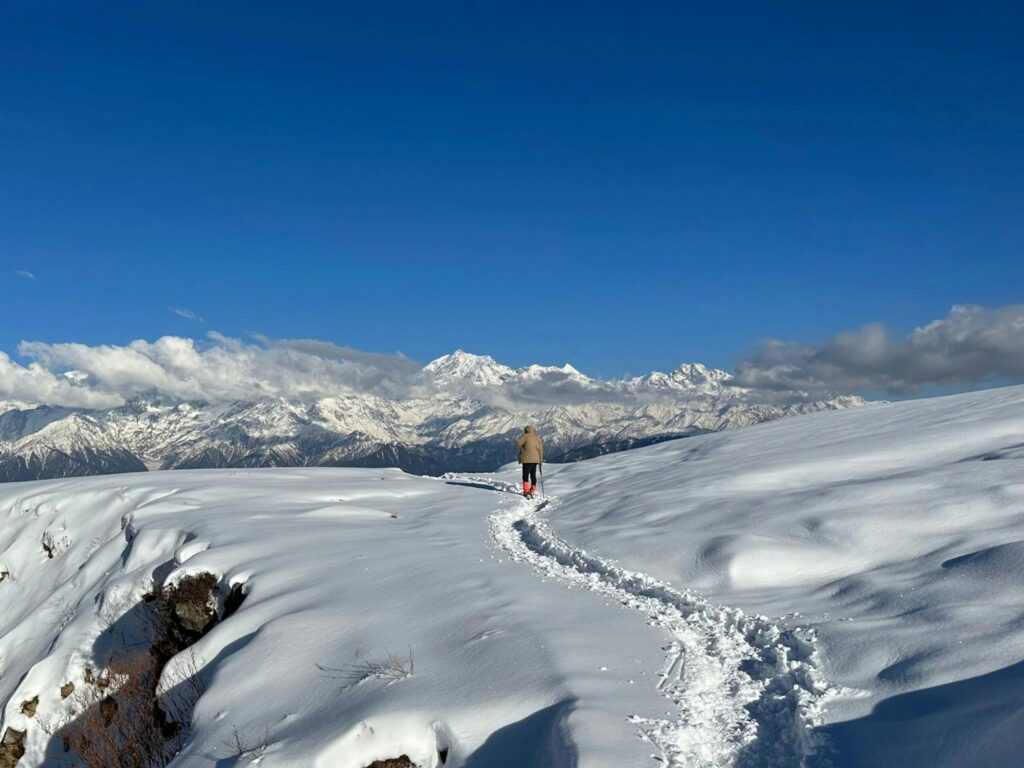
Dayara Bugyal is ideal for beginners who want beauty without pressure. The trail is gradual, camps are scenic, and the highlight is walking across vast alpine meadows that turn white in winter. Unlike steep summit treks, Dayara feels open and forgiving — you can walk at your own pace and still feel deeply connected to the landscape.
Winter makes the meadows feel endless and calm. Snow here doesn’t feel intimidating; it feels soft and playful. This trek is especially suitable for families with older children or travellers who want to experience snow trekking without intense climbs. It’s less about pushing limits and more about absorbing nature.
Best for: beginners, families, slow trekkers
Duration: 3–4 days
Experience type: meadow walks, soft snow, panoramic views
3) Triund Winter Trail – Short, Sweet and Confidence-Boosting
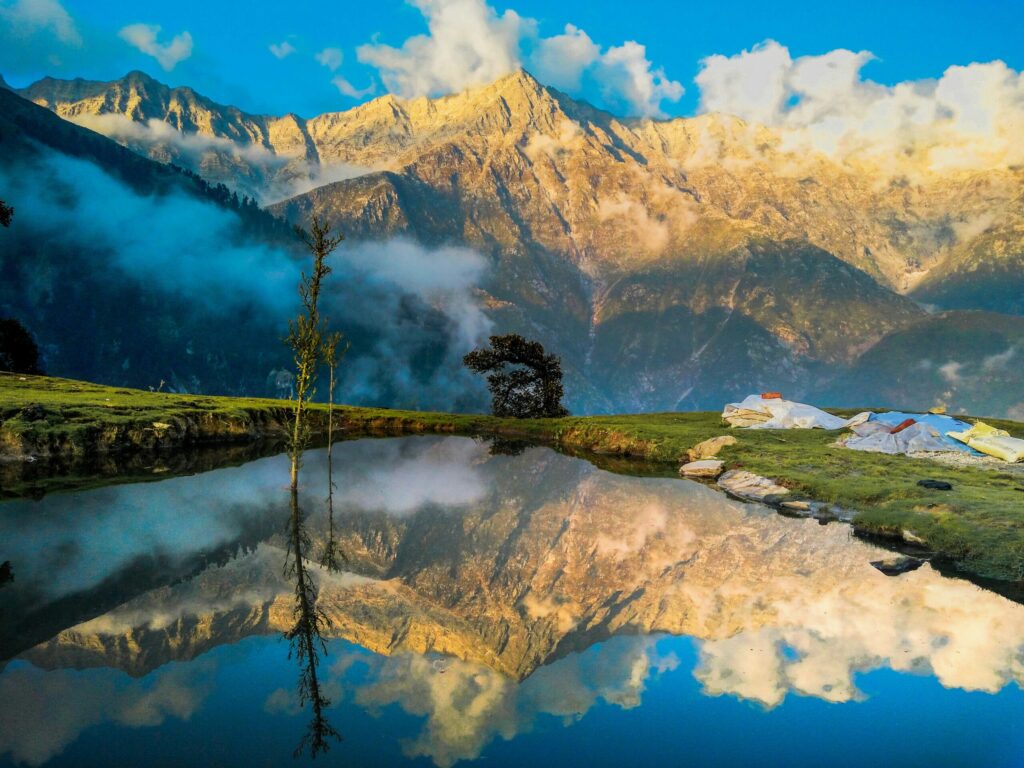
Triund is perfect if you want a short winter trek that still feels like a proper Himalayan experience. The trail starts near McLeod Ganj and gradually climbs through forest paths and open ridges. In winter, snow begins closer to the top, giving beginners a taste of snow trekking without long exposure.
What makes Triund special is its accessibility. You can do it over a weekend, return quickly if needed, and still enjoy stunning views of the Dhauladhar range. It’s a great choice if you’re unsure about multi-day treks but want to test yourself gently.
Best for: weekend travellers, first-time solo trekkers
Duration: 2 days
Experience type: short climb, snow views, mountain sunsets
4) Brahmatal – Lakes, Forests and Winter Silence
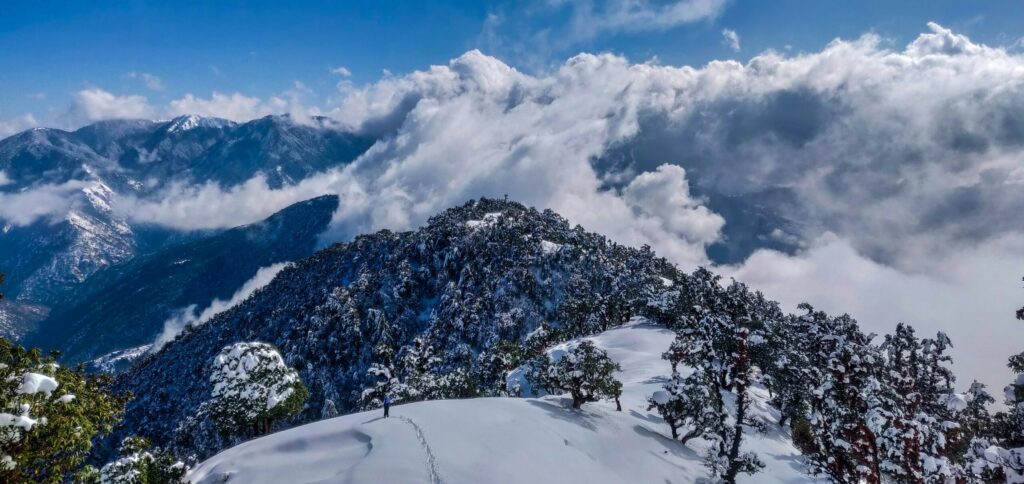
Brahmatal offers a slightly longer route but remains beginner-friendly with proper preparation. The trek passes through forests, frozen lakes, and wide ridgelines with views of Mount Trishul and Nanda Ghunti. Winter adds a layer of calm — fewer people, quieter camps, and landscapes that feel untouched.
For beginners, Brahmatal is often the trek where confidence truly builds. You learn how to walk on snow, manage cold mornings, and pace yourself over multiple days. The terrain is varied but not extreme, making it a beautiful step-up after your first short trek.
Best for: beginners ready for a longer experience
Duration: 5–6 days
Experience type: frozen lakes, snow camps, Himalayan views
5) Prashar Lake Winter Trek – Spiritual and Scenic
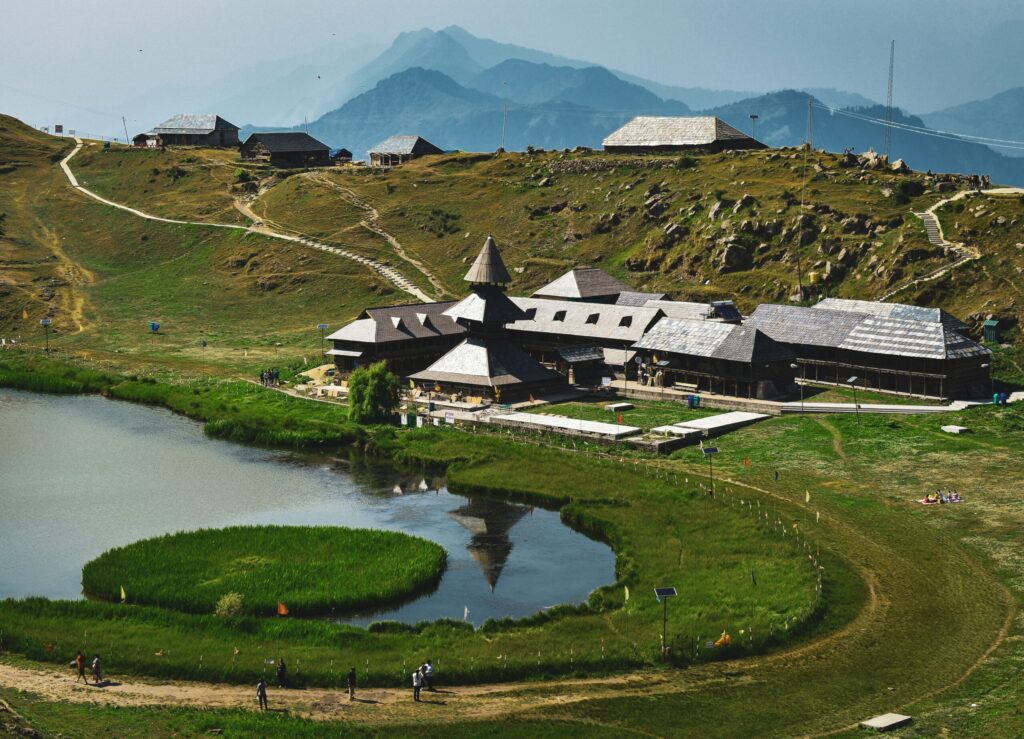
Prashar Lake feels different from other treks because it blends nature with spirituality. The lake often freezes in winter, creating a surreal setting around the ancient temple. The trail is manageable, and the atmosphere is calm, making it ideal for beginners who want more than just physical challenge.
Winter silence around the lake is powerful. You don’t feel rushed, and the experience stays with you long after the trek ends. This trek suits travellers who want introspection, gentle adventure, and a strong sense of place rather than dramatic summits.
Best for: solo travellers, spiritual seekers, beginners
Duration: 3 days
Experience type: frozen lake, calm trails, reflective atmosphere
6) Chopta to Tungnath – A Gentle Trek With Big Rewards
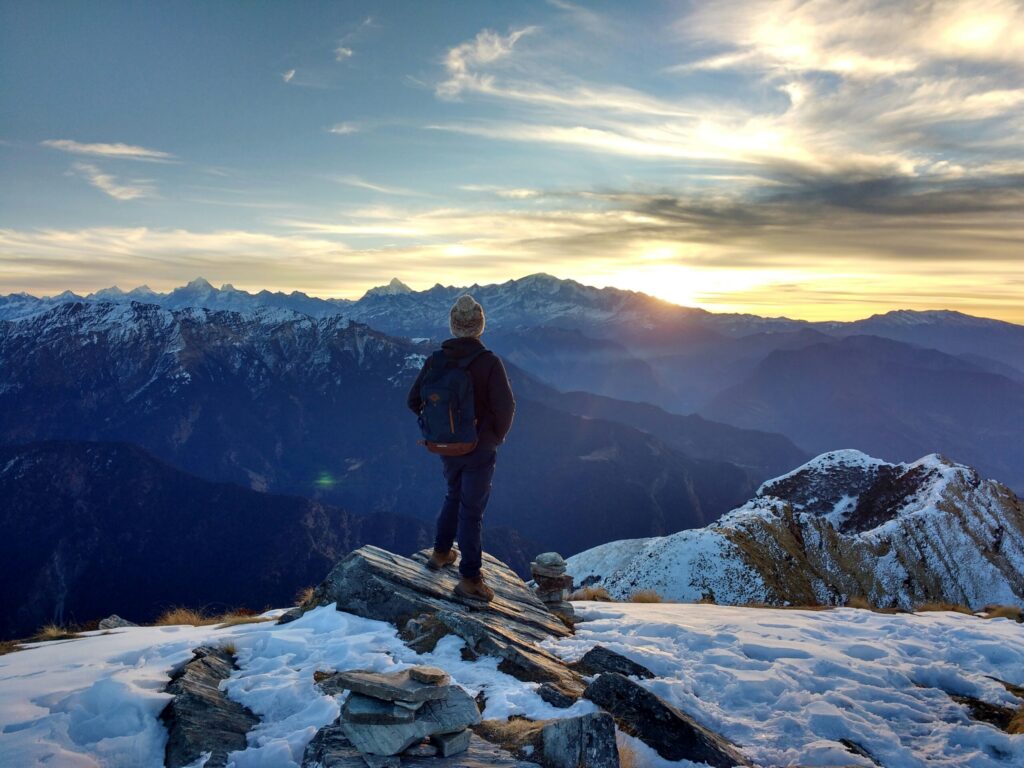
Chopta–Tungnath is one of the easiest winter treks that still feels meaningful. The trail is well-defined, the gradient is manageable, and the views are expansive. Snow in winter enhances the experience without making the route difficult. Beginners can focus on breathing, walking, and enjoying the surroundings.
Reaching Tungnath, the highest Shiva temple in the world, adds emotional depth to the journey. Many trekkers describe this as a “quietly powerful” experience — not dramatic, but deeply satisfying. It’s an excellent trek for those combining faith, nature, and first-time winter trekking.
Best for: beginners, families, spiritual travellers
Duration: 2–3 days
Experience type: snow trail, temple visit, mountain views
7) Kuari Pass (Beginner-Friendly Sections)
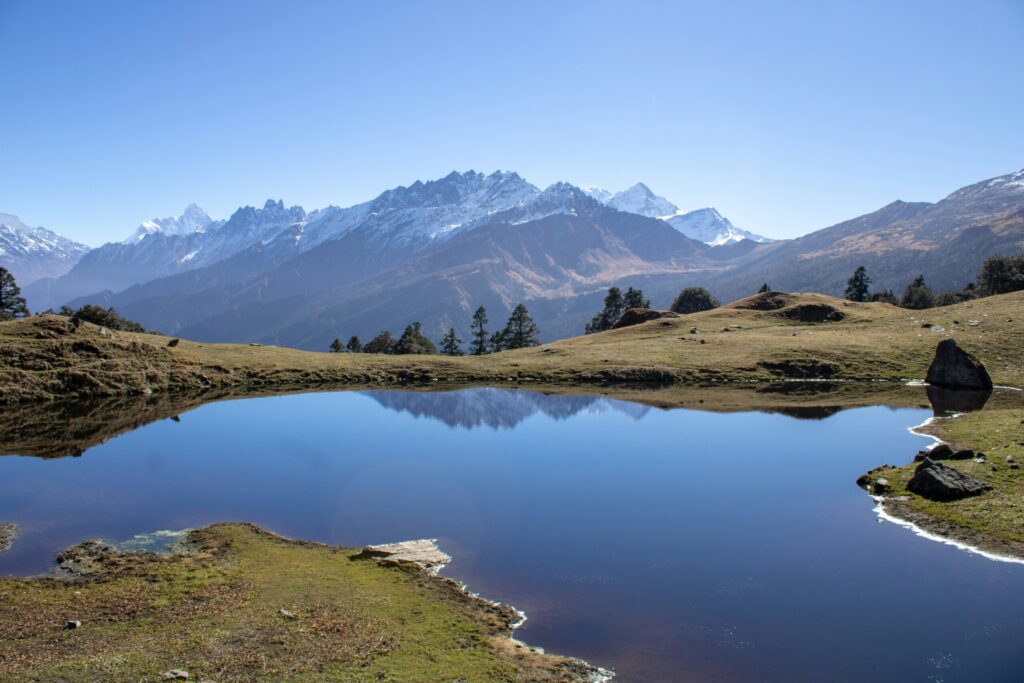
While Kuari Pass can be demanding in full length, certain winter routes are suitable for beginners under guided conditions. These sections offer some of the best views of major Himalayan peaks without extreme technical difficulty. Winter adds clarity to the landscape — sharp ridgelines, snow-covered forests, and golden light.
This trek is best for beginners who have done at least one shorter trek before and want to step up slowly. It’s not about speed — it’s about learning how to move confidently in snow and cold conditions.
Best for: beginners with basic fitness
Duration: 5–6 days
Experience type: ridge walks, panoramic views, snow forests
Practical winter trekking tips for beginners
- Fitness matters more than speed: Regular walking and light cardio are enough if started early.
- Layering is key: Thermals, fleece, down jacket — avoid bulky single layers.
- Hydration is crucial: Cold reduces thirst, but dehydration increases fatigue.
- Trust the process: Winter trekking is about patience, not performance.
- Choose guided treks initially: It removes unnecessary stress and builds confidence.
Let World Tours help you start your winter trekking journey
Your first winter trek should feel safe, achievable, and memorable — not overwhelming. World Tours curates beginner-friendly winter trekking experiences with proper pacing, local expertise, and realistic itineraries. We help you choose the right trek based on fitness, time, and comfort level, so your introduction to winter trekking feels positive and empowering.
Tell us your travel window, fitness level, and whether you prefer short or multi-day treks — we’ll guide you to the right winter trail.