
Stretching along India’s western edge, the Western Ghats are one of the oldest mountain systems on Earth and one of the most biologically rich regions in the world. Long before borders, states, or cities existed, these hills shaped rivers, forests, rainfall, farming, food, and culture across peninsular India.
Recognised as a UNESCO World Heritage Site, the Western Ghats are not a single destination you visit once. They are a living system you encounter again and again — sometimes without realising it.
A Landscape That Holds the Country Together
The Western Ghats run parallel to the Arabian Sea, passing through Maharashtra, Goa, Karnataka, Kerala, and Tamil Nadu. What makes them extraordinary is not their height, but their influence.
They regulate the monsoon, feed major rivers, protect coastal regions, and support millions of lives downstream. Forests here absorb rainfall, release it slowly, and maintain balance across seasons. In many ways, the Western Ghats are not just mountains — they are infrastructure created by nature.
One of the World’s Richest Biodiversity Hotspots
The Western Ghats are among the world’s eight “hottest hotspots” of biological diversity. Thousands of plant species, mammals, birds, amphibians, and insects live here — many found nowhere else on Earth. But this biodiversity isn’t hidden behind fences. It exists alongside villages, plantations, temples, and daily routines. You hear it in bird calls at dawn, see it in moss-covered trees, and sense it in the coolness of forest air.
Nature here doesn’t perform. It persists.
Sacred Landscapes, Not Just Scenic Ones
Across the Western Ghats, forests have long been protected not by laws, but by belief. Sacred groves, hill temples, and village shrines reflect a deep understanding that some spaces should remain untouched. These traditions helped conserve biodiversity long before conservation became a modern concept. The relationship between people and land here is not romantic — it is practical, spiritual, and respectful.
This is heritage that lives quietly, without signage.
Slow Travel Through the Ghats
Unlike dramatic mountain ranges that demand conquest, the Western Ghats invite movement at a gentler pace. Roads wind slowly. Trails disappear into forests. Waterfalls appear suddenly after rains.
Travelling through the Ghats is not about ticking off viewpoints. It’s about spending time — in small homestays, tea estates, forest villages, and quiet hill towns where mornings begin with mist and evenings end early. This is where travel becomes a rest.
Why the Western Ghats Matter Today
In a time of climate uncertainty, the Western Ghats are more relevant than ever. They remind us that sustainability is not a trend — it is a necessity.
What happens here affects agriculture, water availability, and weather patterns far beyond the hills themselves. Preserving the Western Ghats is not just about protecting wildlife; it’s about protecting the future of everyday life. Visiting responsibly helps travellers understand this connection firsthand.
Best Time to Experience the Western Ghats
The Western Ghats change dramatically with seasons. October to March offers pleasant weather, clear trails, and comfortable travel conditions. Post-monsoon months bring lush greenery and flowing streams.
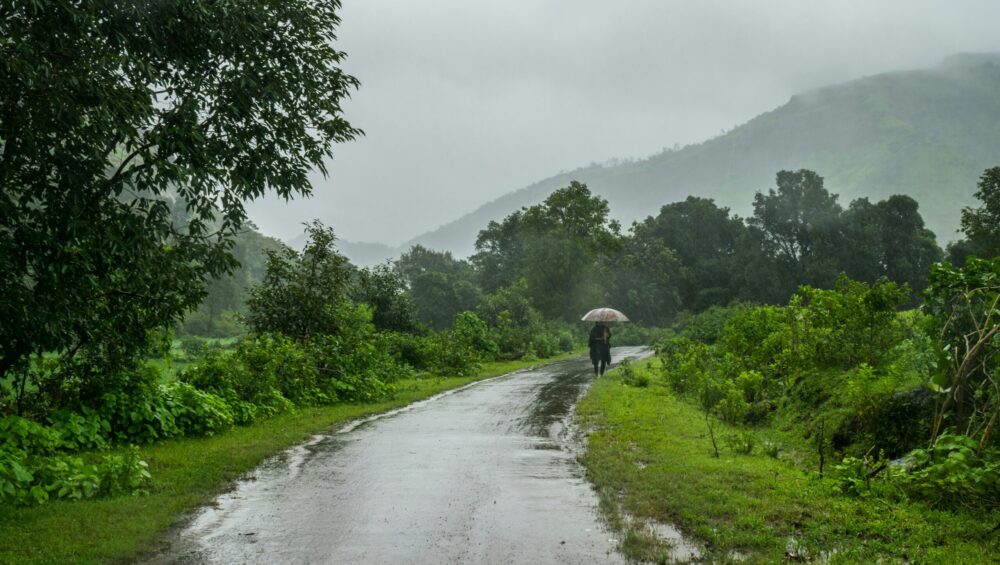
The monsoon season transforms the region into a world of mist and waterfalls, but travel requires careful planning due to heavy rainfall and limited access. Each season reveals a different personality of the Ghats.
The Western Ghats are best experienced in parts, not as a single trip. Whether you explore forest reserves, hill towns, or rural landscapes, the key is to avoid rushing. Choose fewer places, spend more time, and allow the environment to set the pace. This approach reveals far more than any packed itinerary.
You don’t leave the Western Ghats impressed by size or spectacle. You leave with a sense of continuity. An understanding that landscapes can be powerful without being loud. That conservation can exist through culture, not just control. And that travel, when done thoughtfully, can deepen respect rather than consume beauty.
Explore the Western Ghats Responsibly with World Tours
World Tours designs Western Ghats journeys that focus on slow travel, local communities, and ecological awareness, ensuring experiences are meaningful rather than extractive. If you want to explore one of India’s most important UNESCO natural sites with care and understanding, let World Tours plan your Western Ghats journey.