


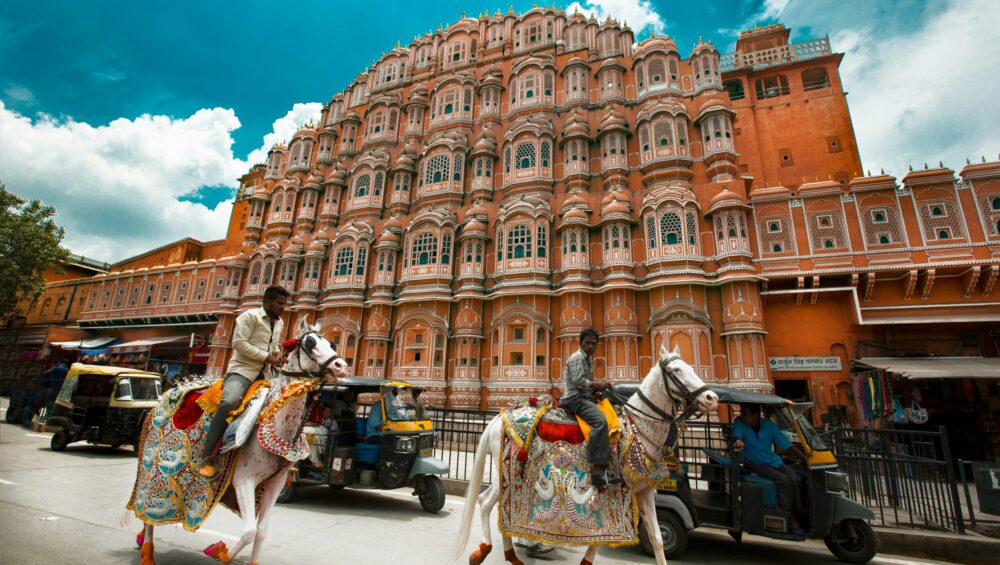
Jaipur is often introduced through its palaces, colours, and photographs. But when UNESCO recognised Jaipur in 2019, it wasn’t for grandeur alone. It was for something far more rare — a city that was planned, lived in, and adapted with remarkable foresight.
Jaipur is not a museum city frozen in time.
It is a functioning, breathing urban space where centuries-old ideas still guide everyday life.
To understand Jaipur as a UNESCO site, you have to look beyond forts and facades; and start noticing how the city works.
India’s First Planned City Still Following Its Original Design
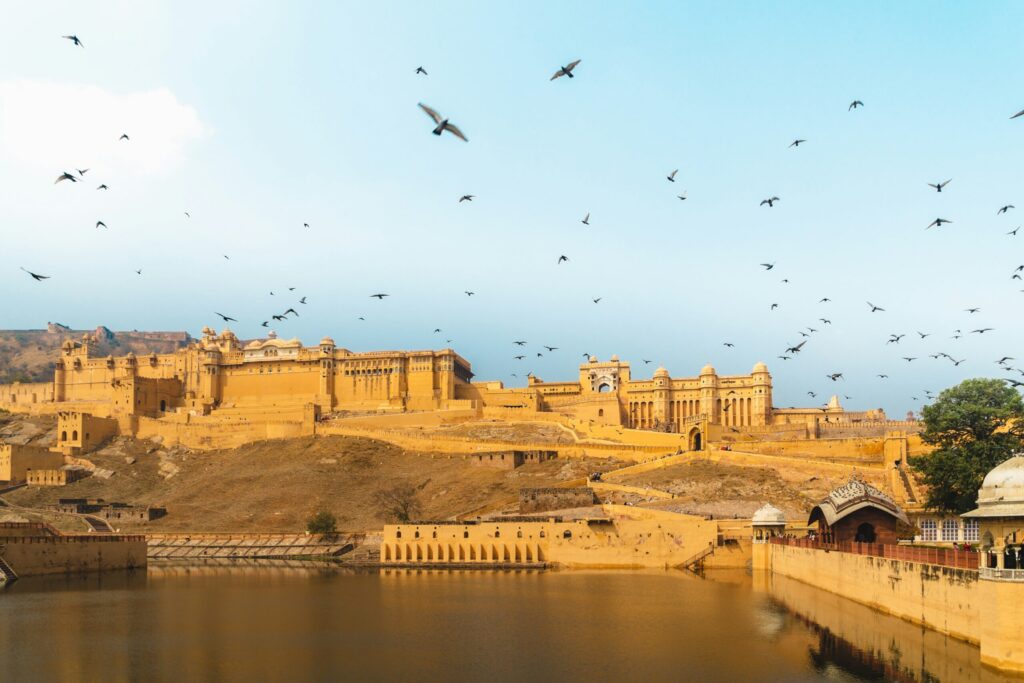
Founded in 1727 by Maharaja Sawai Jai Singh II, Jaipur was designed according to ancient Indian architectural principles, including Vastu Shastra and Shilpa Shastra. What sets Jaipur apart is that these ideas were applied not to a single monument, but to an entire city.
The city was laid out in a precise grid pattern, divided into nine rectangular blocks; a concept that was revolutionary for its time. Wide streets, organised markets, residential quarters, and public spaces were all planned with clarity and balance.
Even today, walking through the old city, you can sense this order. The chaos feels contained, not accidental.
UNESCO recognised Jaipur as a World Heritage City because it represents an exceptional example of indigenous urban planning combined with Mughal influences, adapted to local climate and social needs.
Jaipur’s architecture balances beauty with function. Buildings were designed to allow airflow, shaded walkways protected traders from the sun, and uniform facades created visual harmony across markets.
This wasn’t about luxury for a few; it was about livability for many.
The Pink City Is Not Just a Colour
Jaipur’s famous pink facades are often misunderstood as decorative. In reality, they reflect a deliberate attempt to maintain visual uniformity across the city. The colour symbolised hospitality and order, and over time became part of Jaipur’s identity.
Walking through markets like Johari Bazaar and Bapu Bazaar, you’ll notice how shops, homes, and arcades follow a rhythm; arches repeat, proportions stay consistent, and streets feel cohesive rather than cluttered.
This is urban design quietly doing its job.
Markets That Were Designed to Last Centuries
Jaipur’s bazaars were planned as specialised trading zones; jewellery, textiles, spices, metalwork — each given its own space. This zoning wasn’t just economic; it created community networks that still exist today.
Even now, families continue crafts passed down generations. Jaipur’s heritage lives not only in stone, but in skills, routines, and relationships.
When you walk through these markets, you’re not shopping in a historic setting; you’re stepping into a system that never stopped functioning.
Monuments as Anchors, Not Isolated Icons
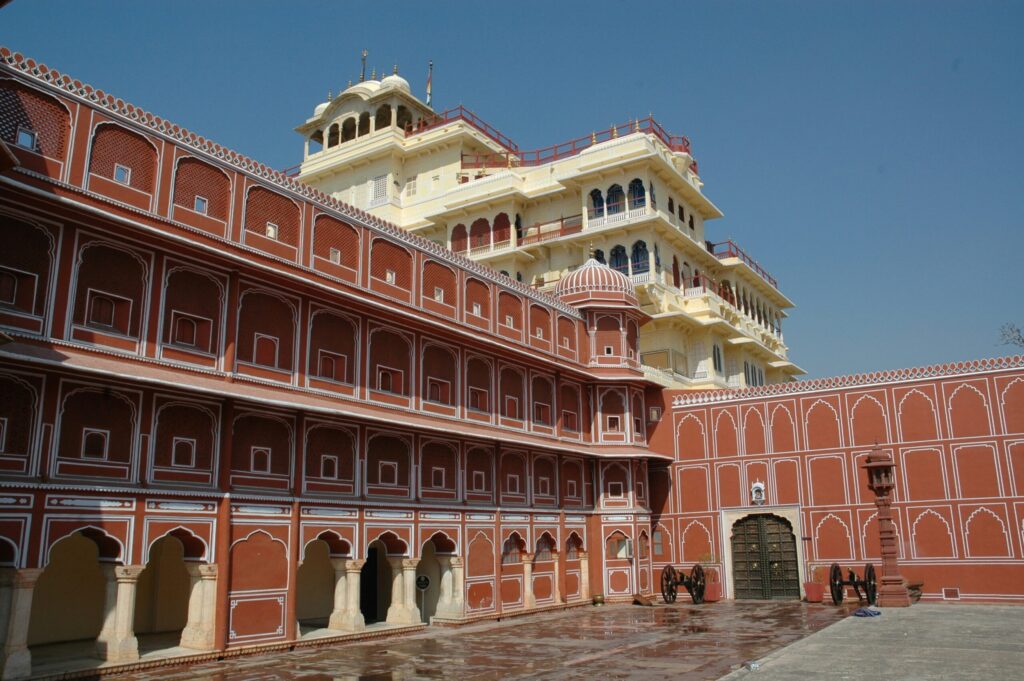
Hawa Mahal, City Palace, Jantar Mantar, and the city gates are often visited as standalone attractions. But Jaipur’s true strength lies in how these monuments are integrated into the city’s fabric.
Hawa Mahal isn’t hidden behind gardens; it opens directly onto a busy street. City Palace isn’t separated from the city; it remains part of it. Jantar Mantar stands where science, governance, and daily life once intersected.
This integration is rare and intentional.
A City Designed for Climate and Comfort
Jaipur’s planners understood heat, wind, and light. Streets were aligned to catch breezes. Buildings used local stone that regulated temperature. Covered walkways protected pedestrians.
Long before sustainability became a global conversation, Jaipur was quietly practising it.
That foresight is one of the strongest reasons Jaipur remains relevant today.
Best Time to Explore Jaipur’s UNESCO Heritage
The ideal time to explore Jaipur is between October and March, when walking through the old city is comfortable and engaging. Early mornings and late afternoons allow you to observe daily life — shop shutters opening, prayers beginning, streets settling into rhythm.
Jaipur reveals itself best when you move slowly.
Many heritage cities struggle because preservation pushes life out. Jaipur avoided this by never separating heritage from daily use. People live here, work here, argue, celebrate, and adapt; within the same urban framework envisioned centuries ago.
That continuity is Jaipur’s greatest achievement.
Experience Jaipur as a UNESCO City with World Tours
Jaipur deserves more than rushed sightseeing. World Tours designs Jaipur experiences that focus on urban heritage, walking trails, markets, and cultural context, not just palace hopping. If you want to understand why Jaipur was built the way it was and why it still works? World Tours will help you experience it as a living UNESCO city, not just a postcard destination.