

Winter changes the way we experience places — especially spiritual ones. The noise reduces, the crowds thin out, and mornings feel slower and more intentional. In summer, spiritual destinations often feel busy and overwhelming. In winter, the same places feel calmer, more honest, and more receptive. You’re not rushing between rituals or attractions; you’re simply present.
For many Indian travellers today, spiritual travel is no longer about ticking off temples. It’s about stillness — sitting quietly, walking without purpose, listening more than speaking, and returning with a lighter mind. Winter supports this shift beautifully. Cold air sharpens awareness, early sunsets encourage rest, and fewer distractions help you turn inward. These journeys are not escapes from life, but pauses that help you reconnect with it.
1) Rishikesh – Quiet Ghats, Morning Aartis & Slow Days
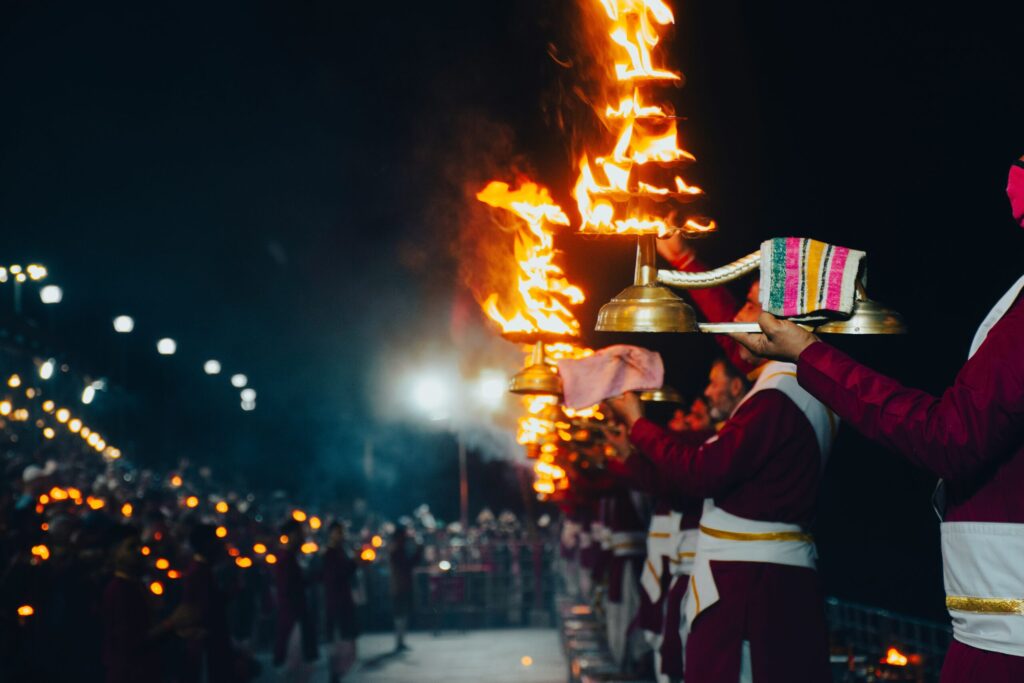
Rishikesh in winter feels very different from its peak-season version. The river flows calmly, the ghats are less crowded, and mornings begin with a soft chill that makes silence feel natural. Walking along the Ganga at sunrise, watching people meditate or simply sit quietly, brings a sense of grounding that’s hard to explain but easy to feel.
Winter is also the best time to attend yoga sessions, meditation classes, or just sit through the evening aarti without pushing or noise. Cafés stay warm and cosy, allowing long conversations or quiet reading time. Rishikesh in winter is not about doing more — it’s about doing less and feeling fuller.
Best for: solo travellers, couples, slow travellers
Experience type: river walks, meditation, spiritual cafés
2) Dharamshala & McLeod Ganj – Monasteries, Silence & Mountain Air
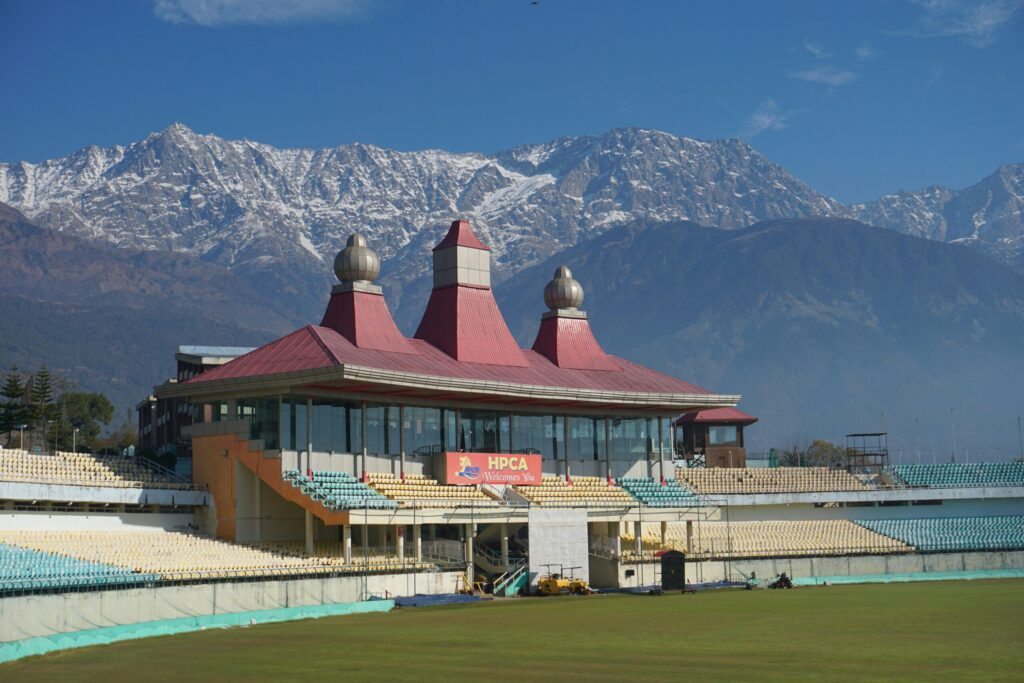
Dharamshala in winter feels introspective. The mountains look sharper, the air is cleaner, and monasteries become spaces of true quiet rather than tourist stops. Winter mornings often start with mist drifting through pine trees, prayer flags moving gently, and monks walking silently between buildings.
Visitors often spend time sitting in monastery courtyards, attending prayer sessions, or simply watching life move slowly around them. Even cafés in Dharamkot and McLeod Ganj feel calmer, encouraging reflection rather than chatter. This destination suits travellers who want spiritual depth without religious pressure.
Best for: seekers, writers, long-stay travellers
Experience type: monastery visits, meditation, slow mountain living
3) Varanasi – Winter Mornings on the Ghats
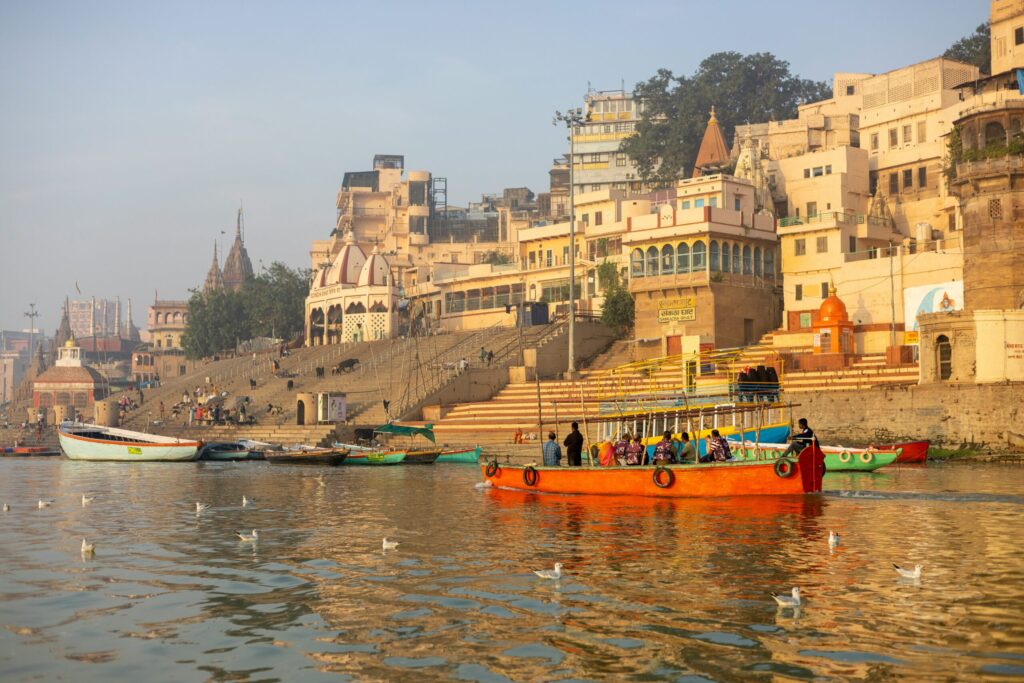
Varanasi in winter is deeply powerful. The cold mornings bring mist over the Ganga, creating an atmosphere that feels ancient and timeless. Boat rides at sunrise are quieter, chants sound softer, and rituals feel more intimate. Winter allows you to observe without feeling overwhelmed.
The city itself slows down slightly — narrow lanes feel calmer, and evenings by the river encourage quiet reflection. Varanasi in winter isn’t about understanding everything; it’s about feeling something beyond logic. It’s ideal for travellers ready to sit with their thoughts rather than distract themselves.
Best for: mature travellers, spiritual explorers
Experience type: sunrise boat rides, ghats, evening aarti
4) Bodh Gaya – Simplicity, Silence & Shared Stillness
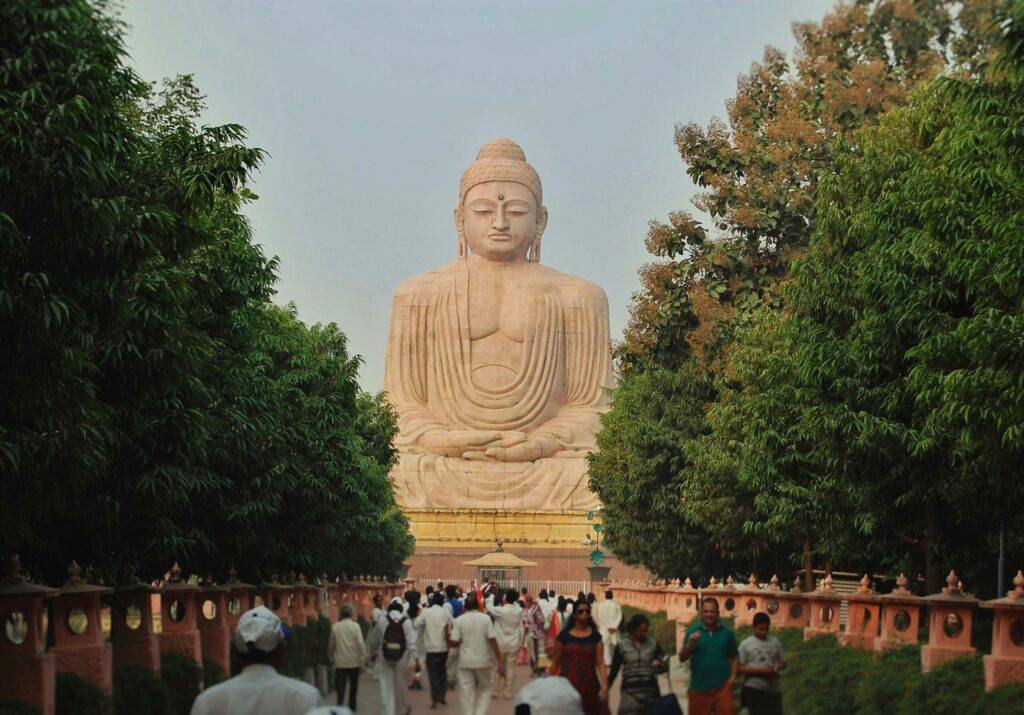
Bodh Gaya is one of the most peaceful places to visit in winter. The Mahabodhi Temple complex becomes a shared space of silence where monks, travellers, and pilgrims from across the world sit together in meditation. Winter mornings are crisp, making long sitting sessions comfortable and focused.
The absence of heat and crowds allows you to truly absorb the spiritual energy of the place. Many travellers describe Bodh Gaya as a destination where time loses meaning — days blend gently, and inner stillness becomes the highlight rather than sightseeing.
Best for: meditation practitioners, solo travellers
Experience type: meditation, quiet walks, reflective days
5) Pushkar – Winter Calm Around the Sacred Lake
Pushkar in winter feels gentle and reflective, especially once the fair season is over. The sacred lake becomes a place for slow walks, prayer, and people-watching. Morning rituals happen quietly, without crowds or noise, allowing you to observe rather than participate actively if you wish.
The town itself supports slow spiritual travel — rooftop cafés, small temples, bookshops, and evening walks through narrow lanes. Winter also brings comfortable weather, making Pushkar ideal for spiritual travellers who want peace without isolation.
Best for: couples, cultural travellers
Experience type: lake walks, temple visits, slow town life
You May Like to Read: Desert Experiences in India | Rajasthan in Winter
6) Chopta & Tungnath – Stillness at High Altitude

Chopta in winter is raw, quiet, and deeply grounding. Snow-covered trails, tall forests, and wide open skies create an environment where silence feels natural. The walk to Tungnath Temple is slow and meditative, not physically demanding but emotionally powerful.
Reaching the temple in winter often feels symbolic — fewer people, colder air, and a sense of effort that makes the moment meaningful. This journey suits travellers who seek spiritual depth through nature rather than rituals.
Best for: seekers, nature lovers
Experience type: snow walks, mountain silence, temple visit
You May Like to Read: Winter Treks for Beginners
7) Sikkim Monastery Circuit – Quiet Faith & Mountain Calm
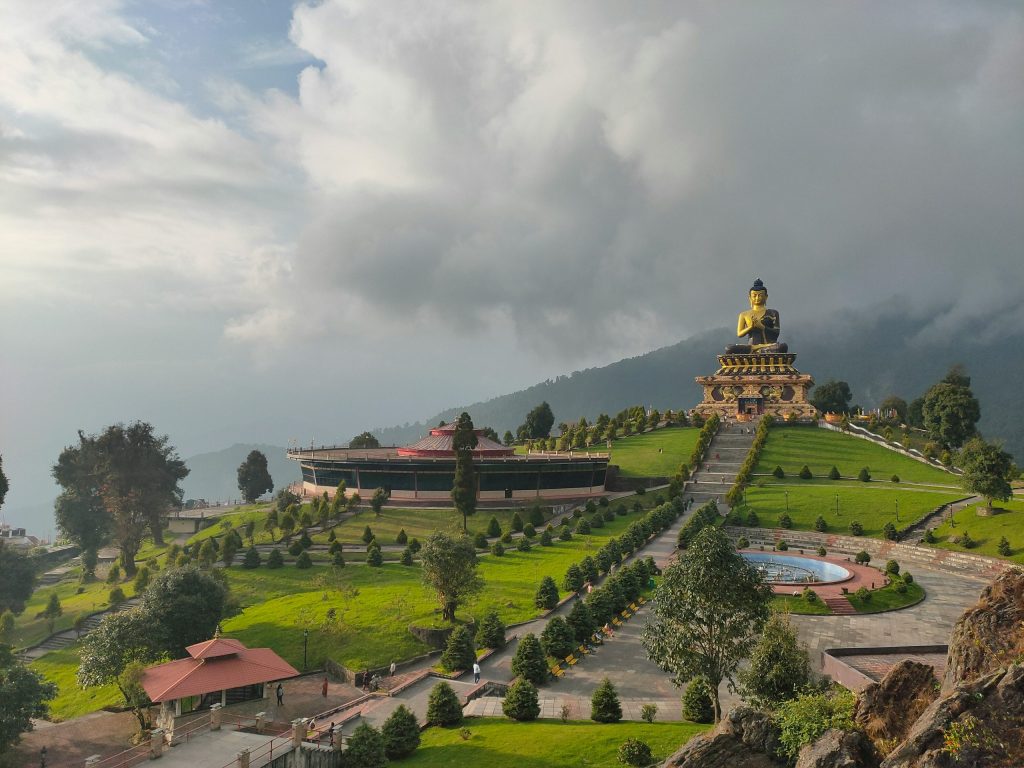
Sikkim’s monasteries in winter feel deeply peaceful. With fewer tourists, prayer halls become spaces of quiet observation. Monks chant softly, incense drifts slowly, and mountain views surround the complexes without interruption.
Winter also makes travel between monasteries more contemplative. The cold encourages shorter days and deeper reflection. This journey is ideal for travellers who want to experience spiritual culture without crowds or noise.
Best for: cultural explorers, spiritual travellers
Experience type: monastery visits, slow travel, mountain views
You May Like to Read: Meghalaya Winter Experiences | Snow Villages of India
8) Auroville & Pondicherry – Inner Stillness by the Sea
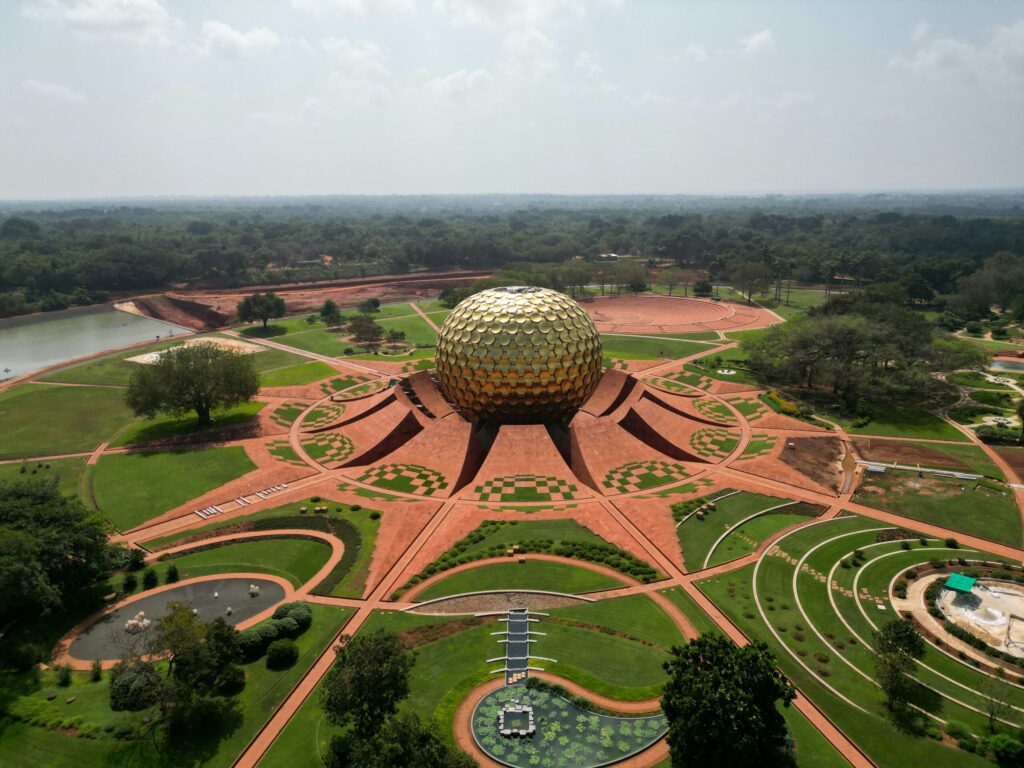
Spiritual journeys don’t always need mountains. Auroville in winter offers warmth, structure, and quiet spaces for self-reflection. The Matrimandir area feels especially calm during cooler months, making meditation sessions comfortable and focused.
Pondicherry adds a gentle coastal rhythm — morning walks by the sea, cafés that encourage journaling, and a sense of balance between spirituality and daily life. Winter allows you to enjoy both introspection and ease without discomfort.
Best for: long-stay travellers, wellness seekers
Experience type: meditation, coastal walks, mindful living
You May Like to Read: Winter Road Trips in India You’ll Remember Forever
Practical tips for spiritual winter travel
- Plan fewer activities: Spiritual travel benefits from empty space in your itinerary.
- Choose longer stays: Stillness develops with time, not speed.
- Carry warm layers: Comfort helps focus and calm.
- Respect local rhythms: Observe before participating.
- Disconnect gently: Limit screens; allow silence.
Let World Tours design your spiritual winter journey
Spiritual travel is personal, and winter enhances its depth. World Tours curates thoughtful itineraries focused on quiet stays, meaningful locations, slow movement, and emotional comfort. Whether you want a solo retreat, a peaceful couple’s journey, or a calm family experience, we help you travel with intention.
Share your travel window and what you seek — silence, nature, or reflection — and we’ll guide you to the right winter journey.