


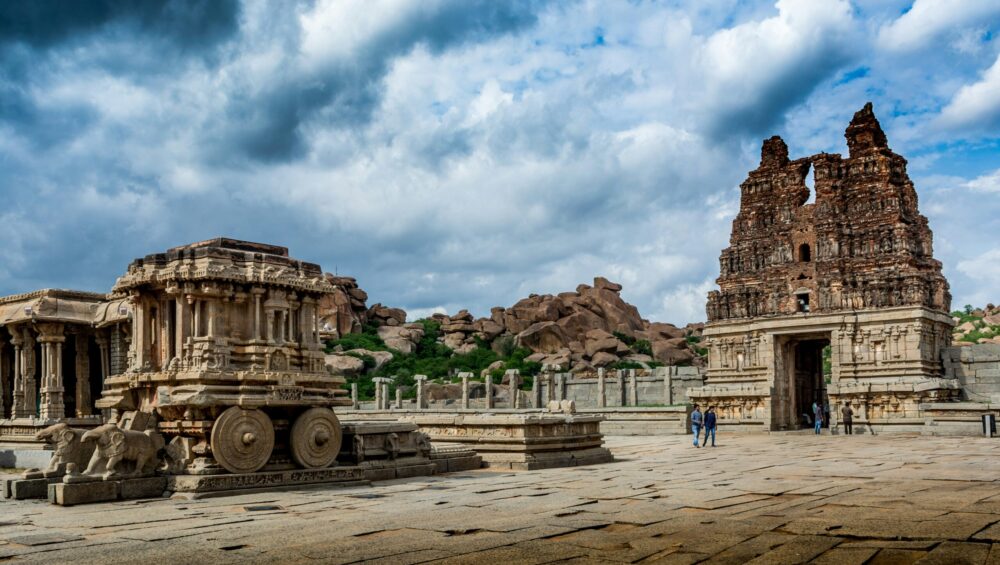
India is home to one of the largest collections of UNESCO World Heritage Sites in the world. These places are not just monuments or landscapes; they are living records of civilisation, culture, architecture, and nature, recognised globally for their significance.
For travelers, UNESCO sites offer something different from typical sightseeing. They add context to travel — helping people understand how regions evolved, why cities grew where they did, and how traditions, trade, faith, and geography shaped India over centuries.
This guide takes you across India geographically — from the eastern edges to the western deserts, from the southern temples to the northern mountains — highlighting UNESCO World Heritage Sites in a way that helps travelers plan region-wise journeys, not just tick names off a list.
Eastern India – Ancient Learning, Sacred Landscapes & Living Traditions
1. Konark Sun Temple, Odisha
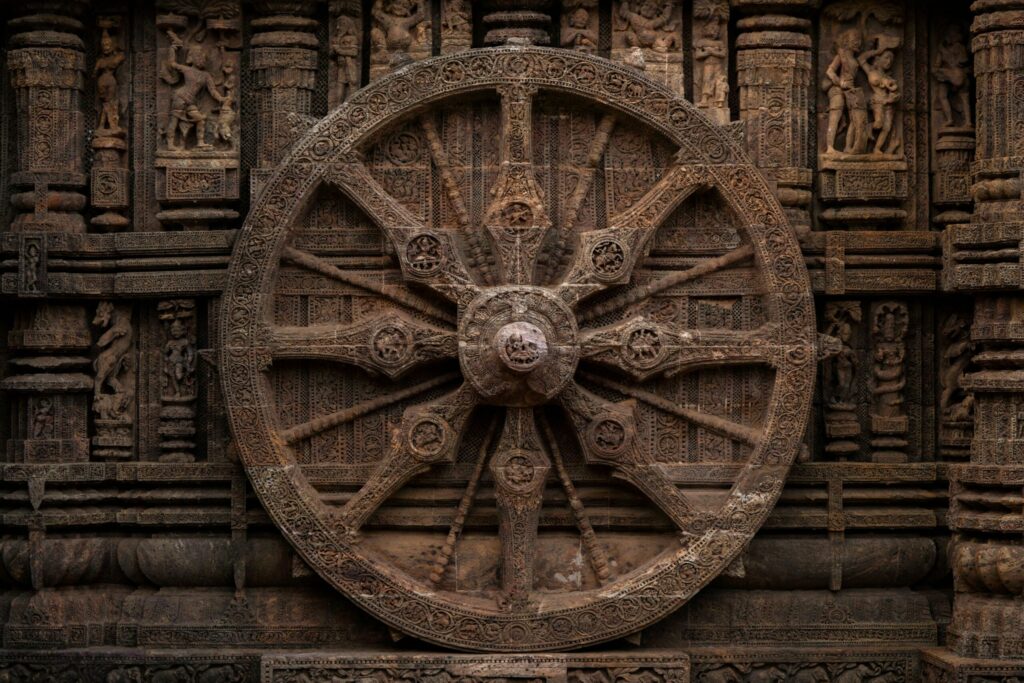
A masterpiece of stone architecture, the Sun Temple at Konark is designed as a giant chariot of the sun god, complete with carved wheels and horses. It reflects advanced knowledge of astronomy, craftsmanship, and religious symbolism.
Best time to visit: October to February
You May Like To Read: Konark Sun Temple Travel Guide
2. Mahabodhi Temple Complex, Bodh Gaya (Bihar)
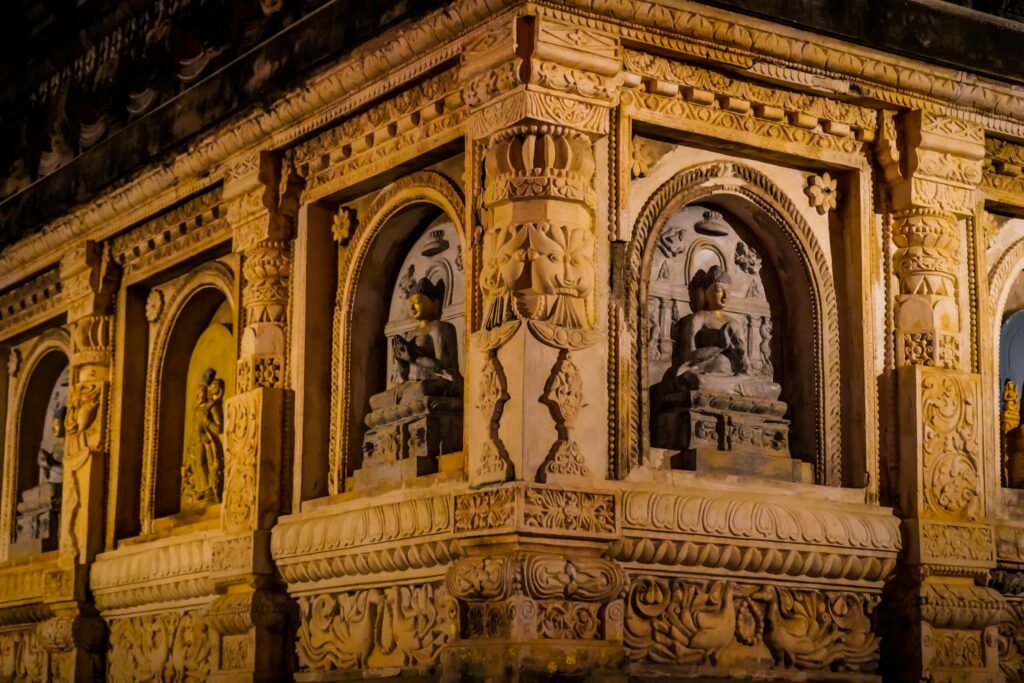
One of the most important spiritual sites in the world, Bodh Gaya marks the place where Gautama Buddha attained enlightenment. The temple complex attracts pilgrims and travellers seeking spiritual and historical depth.
Best time to visit: November to February
You May Like To Read: Bodh Gaya Spiritual Travel Guide
3. Santiniketan, West Bengal
Founded by Rabindranath Tagore, Santiniketan represents an alternative educational and cultural vision. Recognised by UNESCO for its cultural importance, it reflects India’s modern intellectual heritage.
Best time to visit: Winter months, during cultural festivals
Western India – Forts, Cities & Maritime Heritage
4. Rani ki Vav, Gujarat
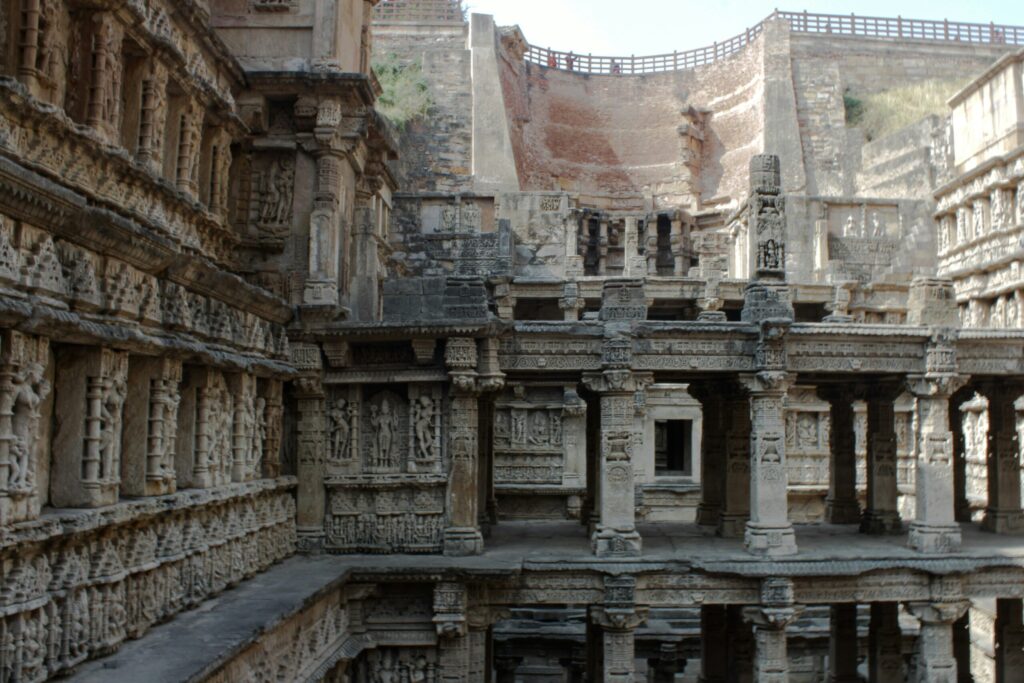
An intricately carved stepwell, Rani ki Vav showcases the architectural brilliance of medieval India. More than a water structure, it tells stories through sculpture and symbolism.
Best time to visit: October to March
You May Like To Read: Gujarat Heritage Trail
5. Historic City of Ahmedabad
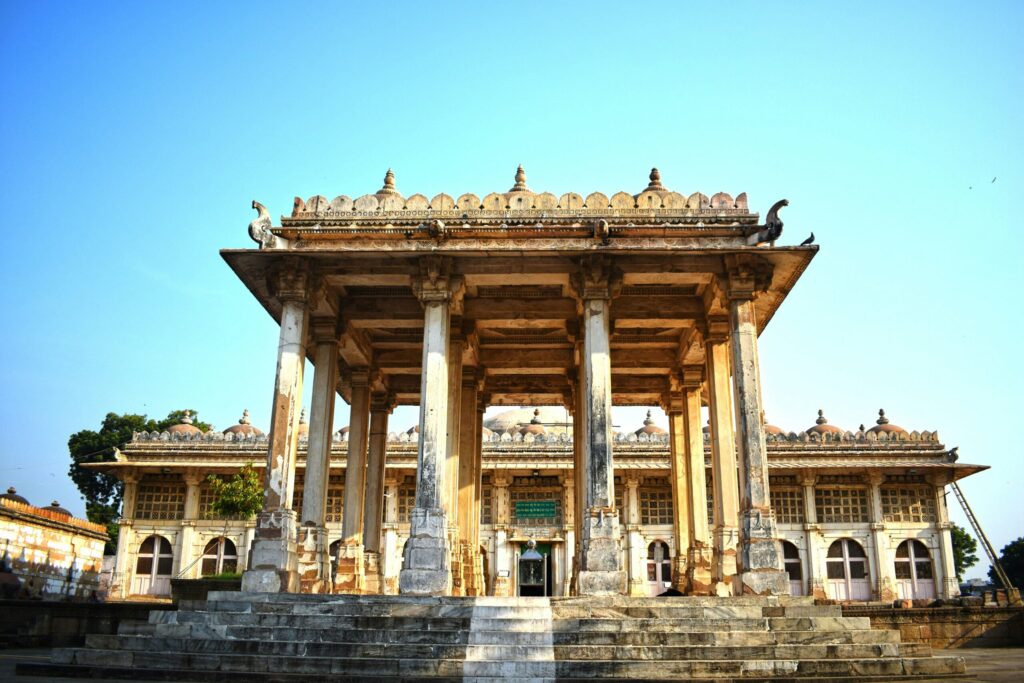
Ahmedabad represents a layered history of architecture, trade, and urban planning, blending Hindu, Islamic, and Jain influences. Its pol houses and historic mosques make it a unique living heritage city.
Best time to visit: Winter months
6. Chhatrapati Shivaji Maharaj Terminus, Maharashtra
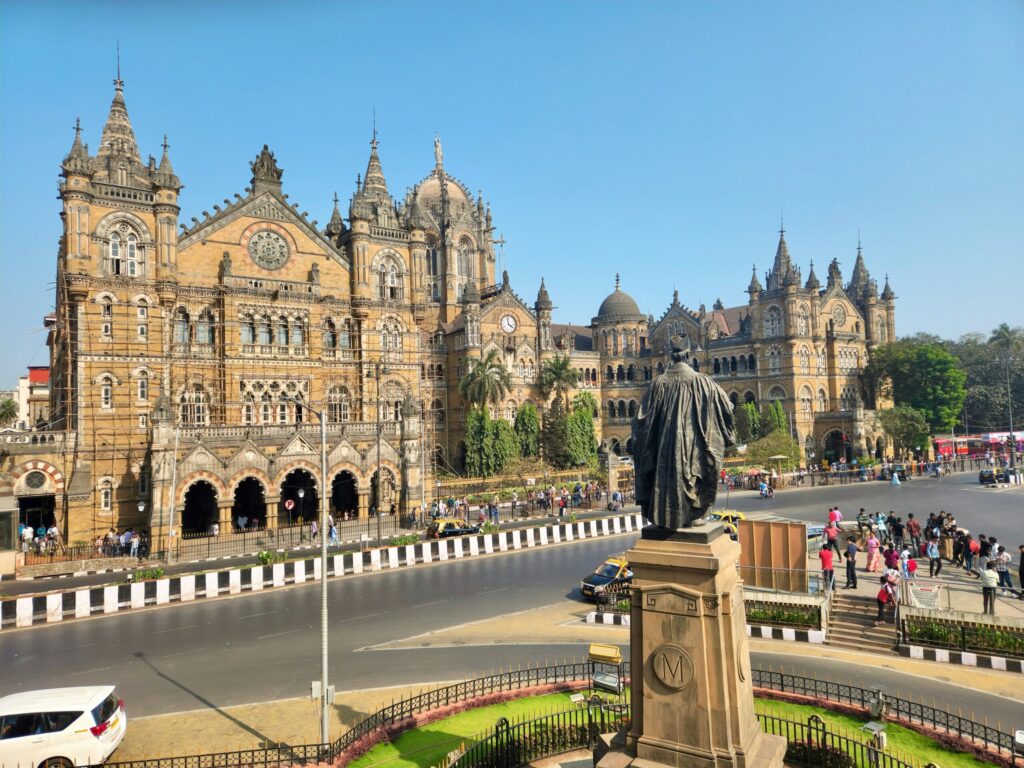
A functioning railway station and architectural landmark, this site represents colonial-era engineering blended with Indian design elements. It’s a reminder that heritage can still be part of everyday life.
Best time to visit: Year-round
7. Ellora & Ajanta Caves, Maharashtra
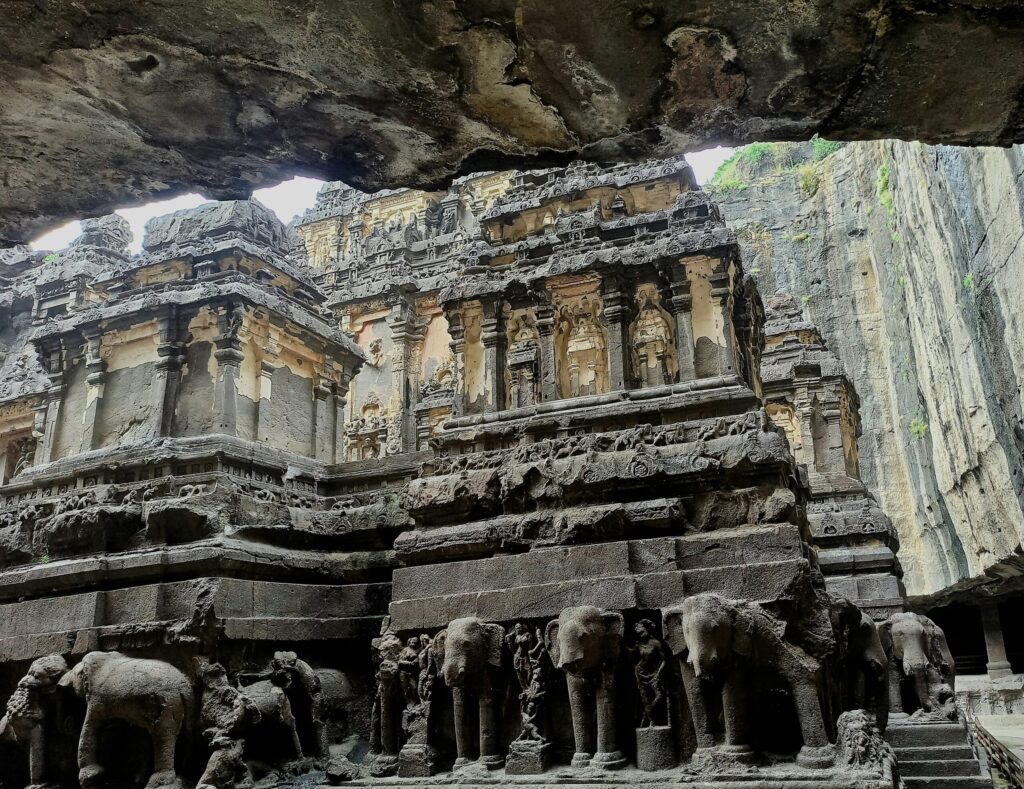
These rock-cut cave complexes showcase Buddhist, Hindu, and Jain traditions carved directly into stone. They reflect centuries of religious harmony, artistic excellence, and patronage.
Best time to visit: October to March
Southern India – Temples, Sacred Mountains & Cultural Landscapes
8. Group of Monuments at Hampi, Karnataka
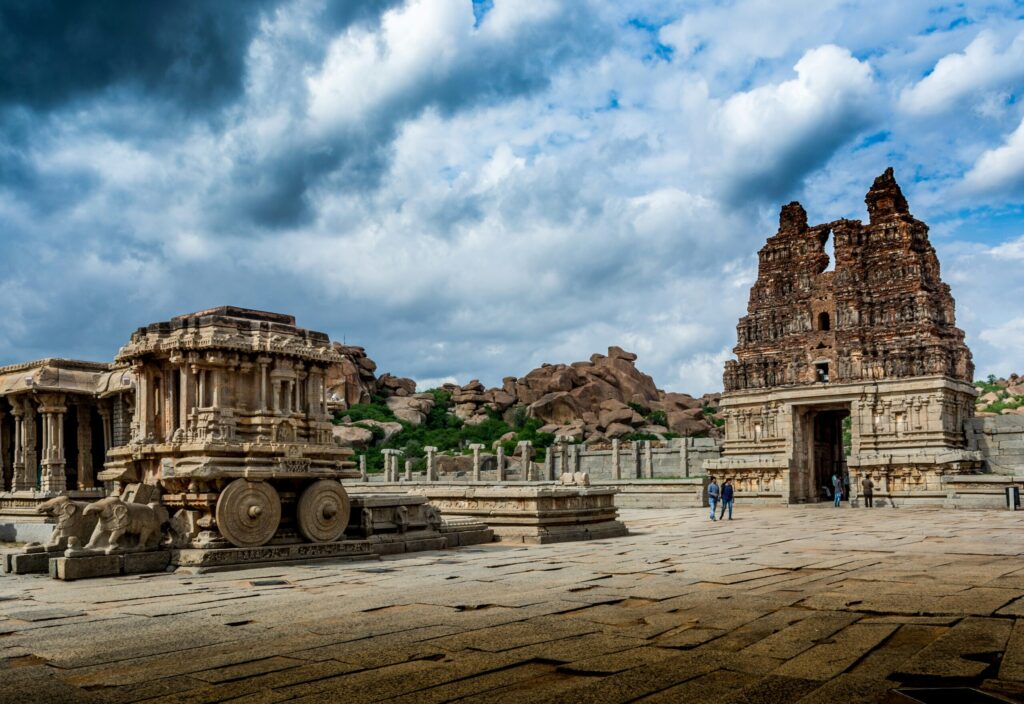
Once the capital of the Vijayanagara Empire, Hampi is a vast open-air museum of temples, markets, and royal structures. The landscape itself feels historical, with ruins scattered among boulders and rivers.
Best time to visit: October to February
You May Like To Read: Hampi Travel Guide
9. Great Living Chola Temples, Tamil Nadu
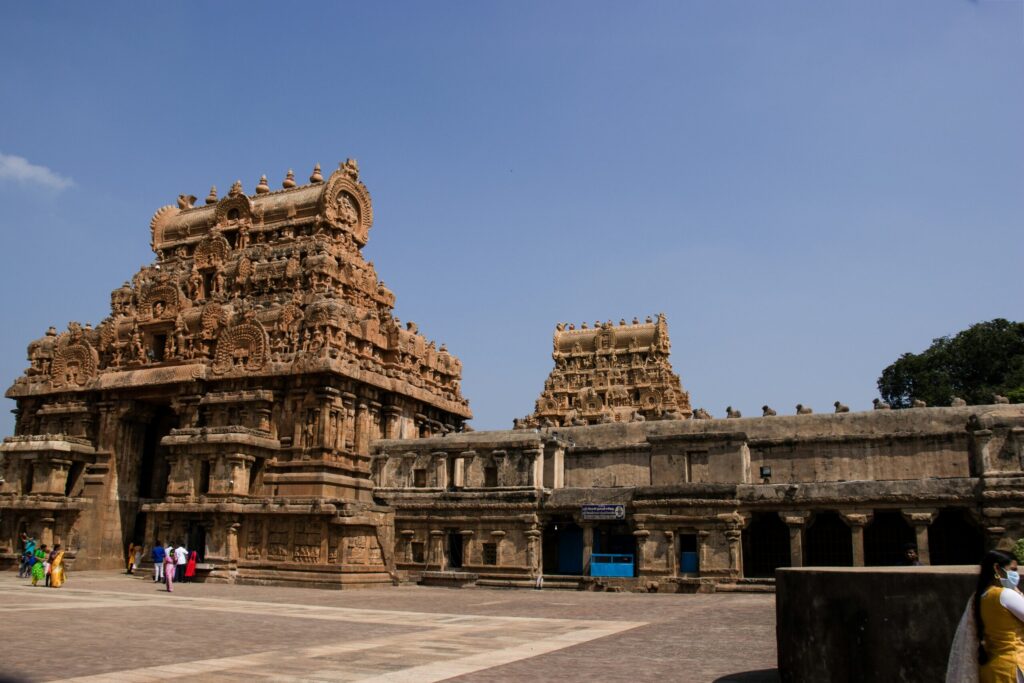
This group includes the temples at Thanjavur, Gangaikonda Cholapuram, and Darasuram. They represent peak Dravidian temple architecture and engineering.
Best time to visit: November to February
You May Like To Read: Tamil Nadu UNESCO Temple Trail
10. Western Ghats (Natural Heritage)
Recognised for biodiversity, the Western Ghats stretch across multiple states and support rich ecosystems. This UNESCO natural site highlights India’s environmental heritage.
Best time to visit: October to February
Northern India – Empires, Faith & Timeless Architecture
11. Taj Mahal, Uttar Pradesh
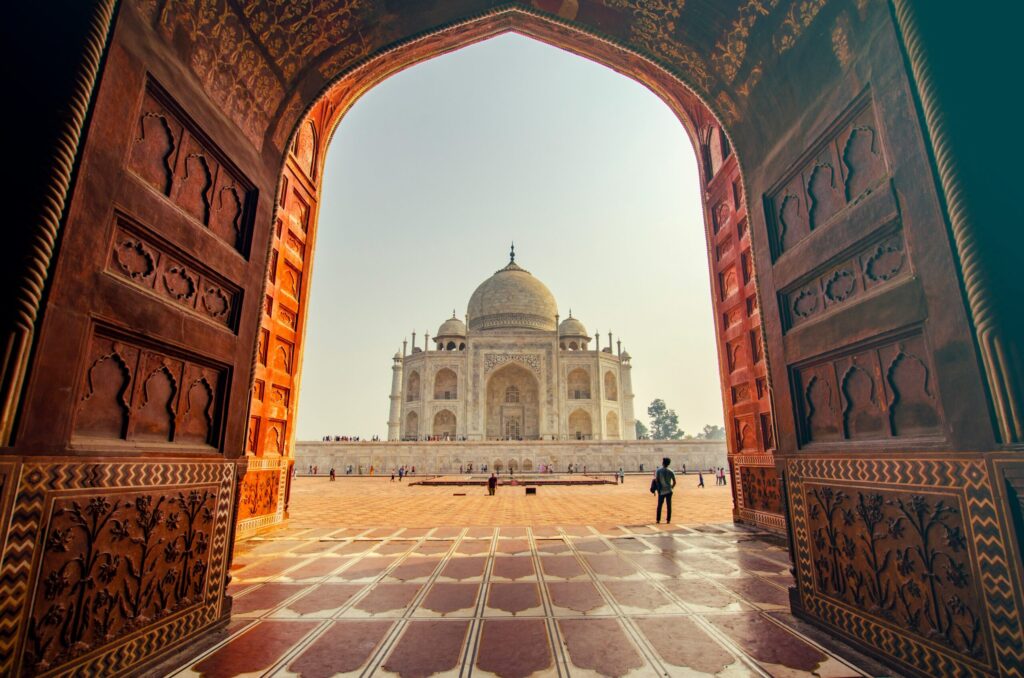
Perhaps India’s most recognised monument, the Taj Mahal symbolises Mughal architecture and craftsmanship. Beyond its beauty, it reflects the empire’s artistic and engineering capabilities.
Best time to visit: October to March
12. Fatehpur Sikri, Uttar Pradesh
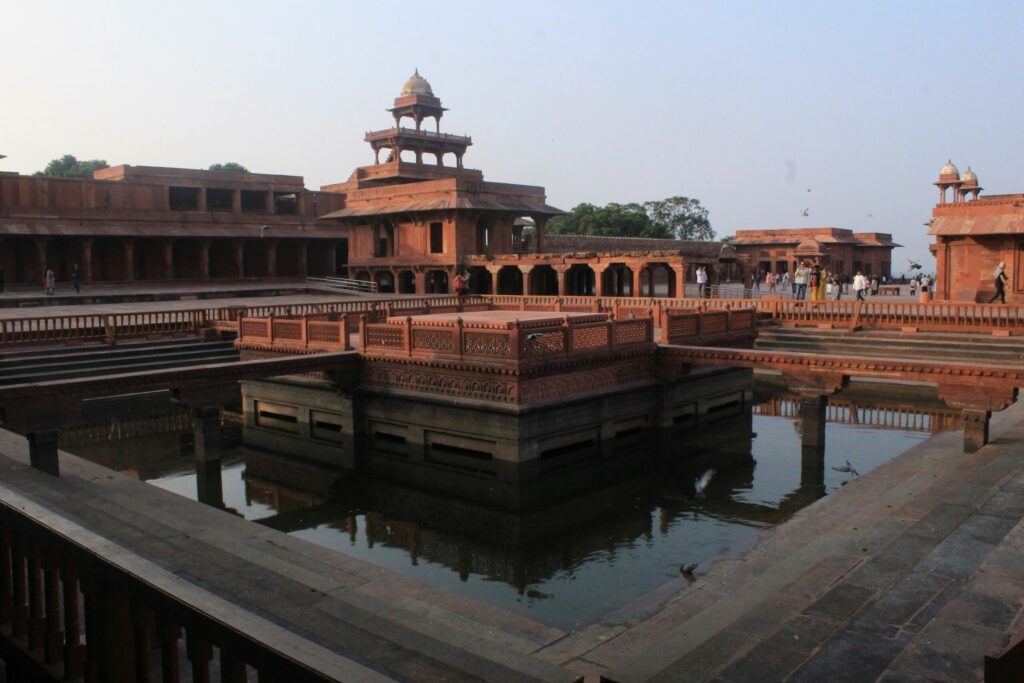
A short-lived Mughal capital, Fatehpur Sikri showcases grand planning, red sandstone architecture, and imperial ambition.
Best time to visit: Winter months
13. Qutub Minar & Humayun’s Tomb, Delhi
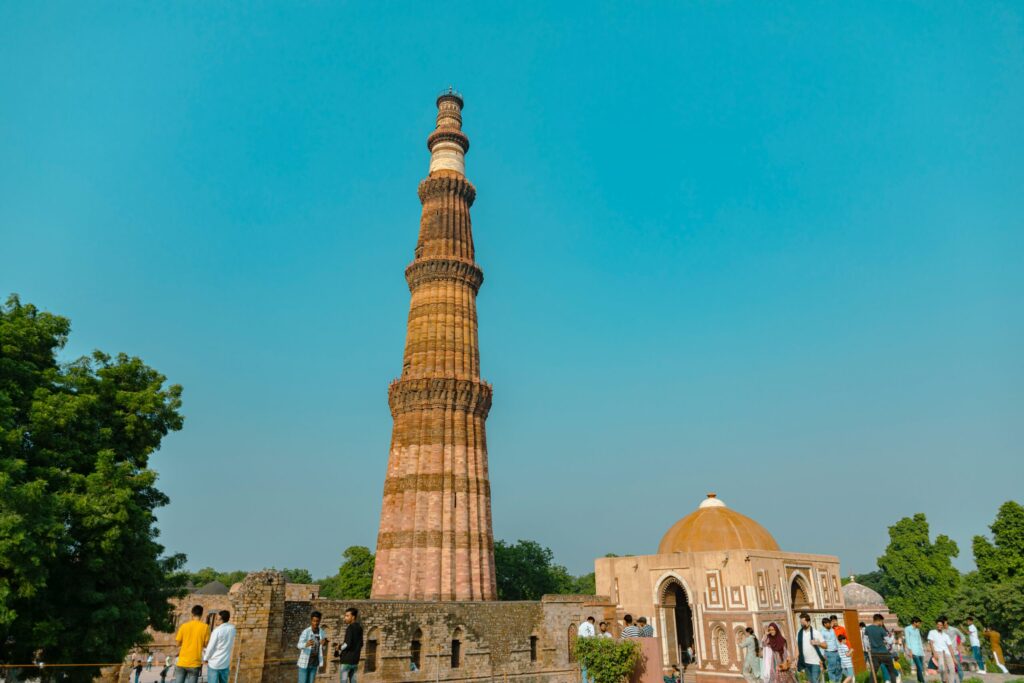
These sites represent early Indo-Islamic architecture and later Mughal design influences. They are key stops for understanding Delhi’s layered history.
Best time to visit: October to February
14. Great Himalayan National Park, Himachal Pradesh
A UNESCO natural site, this park highlights Himalayan biodiversity and conservation. It appeals to travellers interested in nature and sustainability.
Best time to visit: October to June
How to plan a UNESCO-focused trip in India
UNESCO sites work best when grouped region-wise:
- Short heritage breaks: Single city or state
- Thematic routes: Temple trails, Mughal architecture, rock-cut caves
- Combined trips: Heritage + nature + culture
Rather than rushing through multiple sites, travelers benefit from slow, focused itineraries that allow time to understand each place.
Plan your heritage journey with World Tours
UNESCO sites require thoughtful routing, historical context, and practical planning. World Tours designs heritage itineraries that combine comfort, knowledge, and efficient travel, whether it’s a weekend heritage break or a multi-state cultural journey.
Tell us which region interests you — we’ll curate a UNESCO heritage experience that fits your time and travel style.